Scientific Foundations
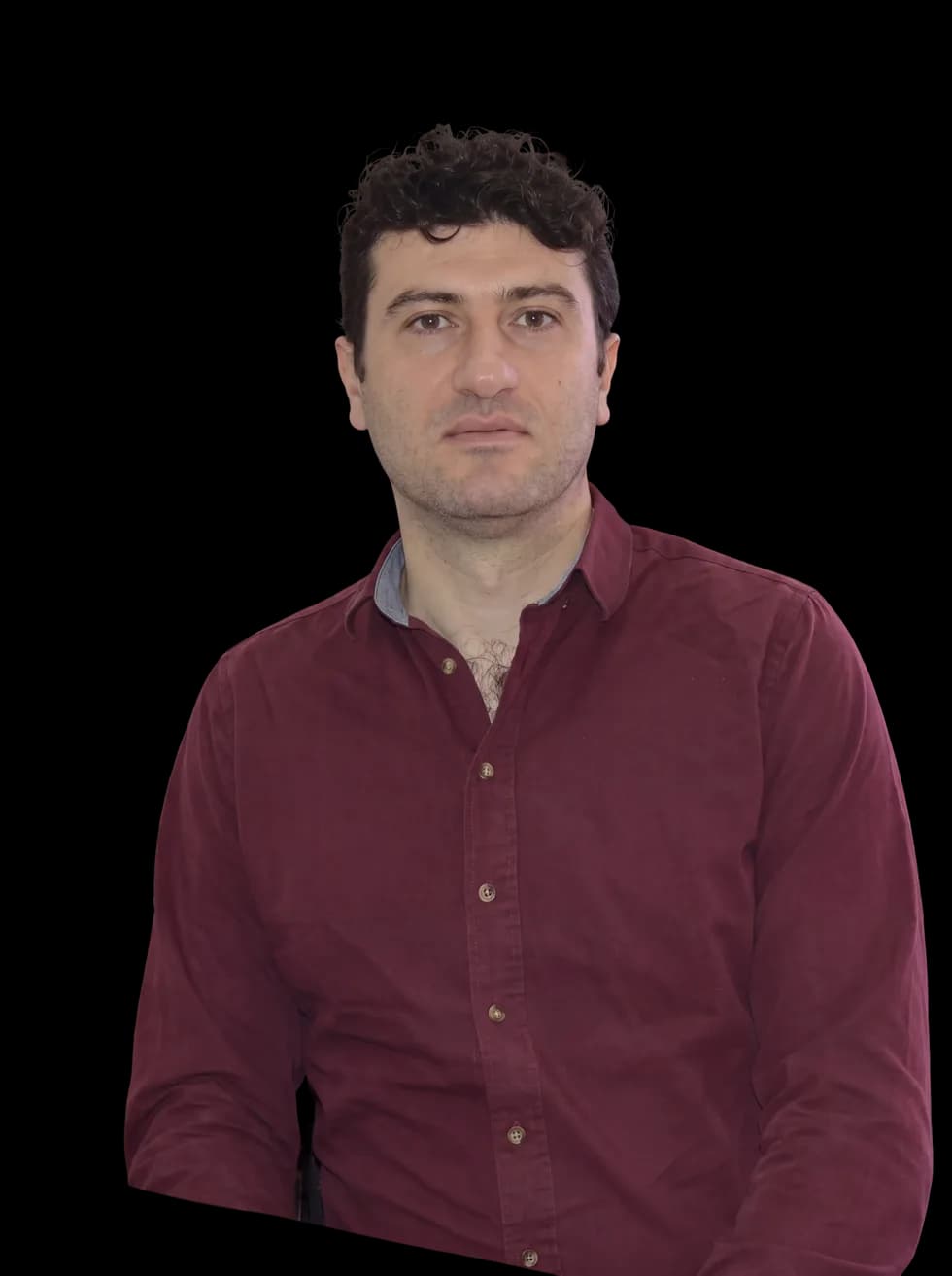
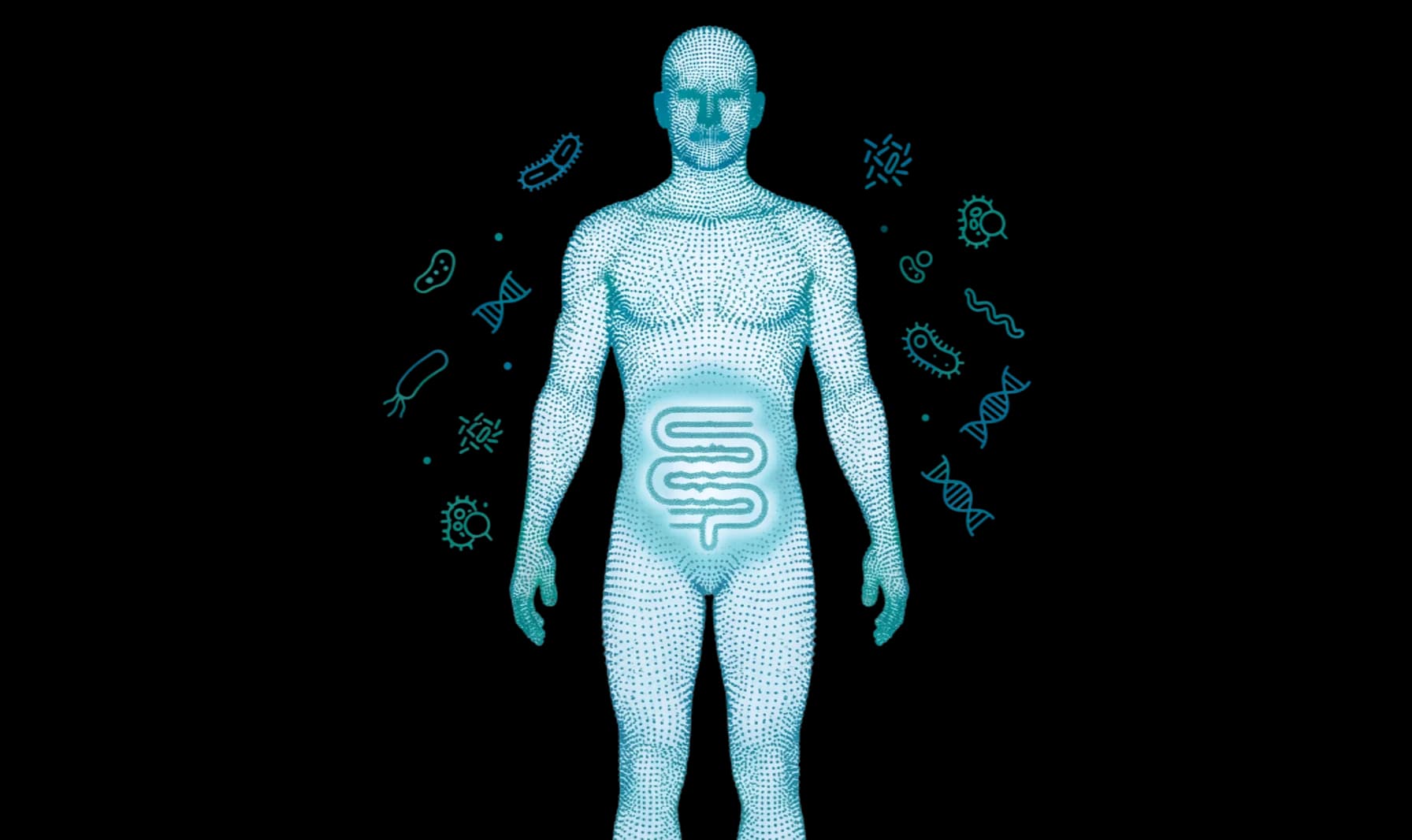
In 2004, while pursuing his PhD at the University of Nebraska-Lincoln, Prof. Dr. Özkan Ufuk Nalbantoglu (LinkedIn, opens in a new tab) envisioned something far ahead of its time: analysing the human microbiome using artificial intelligence. At that moment, the technology to even generate such data did not yet exist.
Years later, as next-generation sequencing matured, the algorithms Prof. Nalbantoglu had developed were adopted by the Earth Microbiome Project; the world’s largest microbiome initiative. What began as a theoretical study had evolved into a globally recognised scientific infrastructure.
From 2014 onward, Prof. Nalbantoglu pushed the work further; developing algorithms not only to analyse the microbiome, but to modulate it in ways that could directly improve human health. That body of work, refined across more than fifteen years in bioinformatics and microbiome research, became the scientific foundation on which Enbiosis was built.