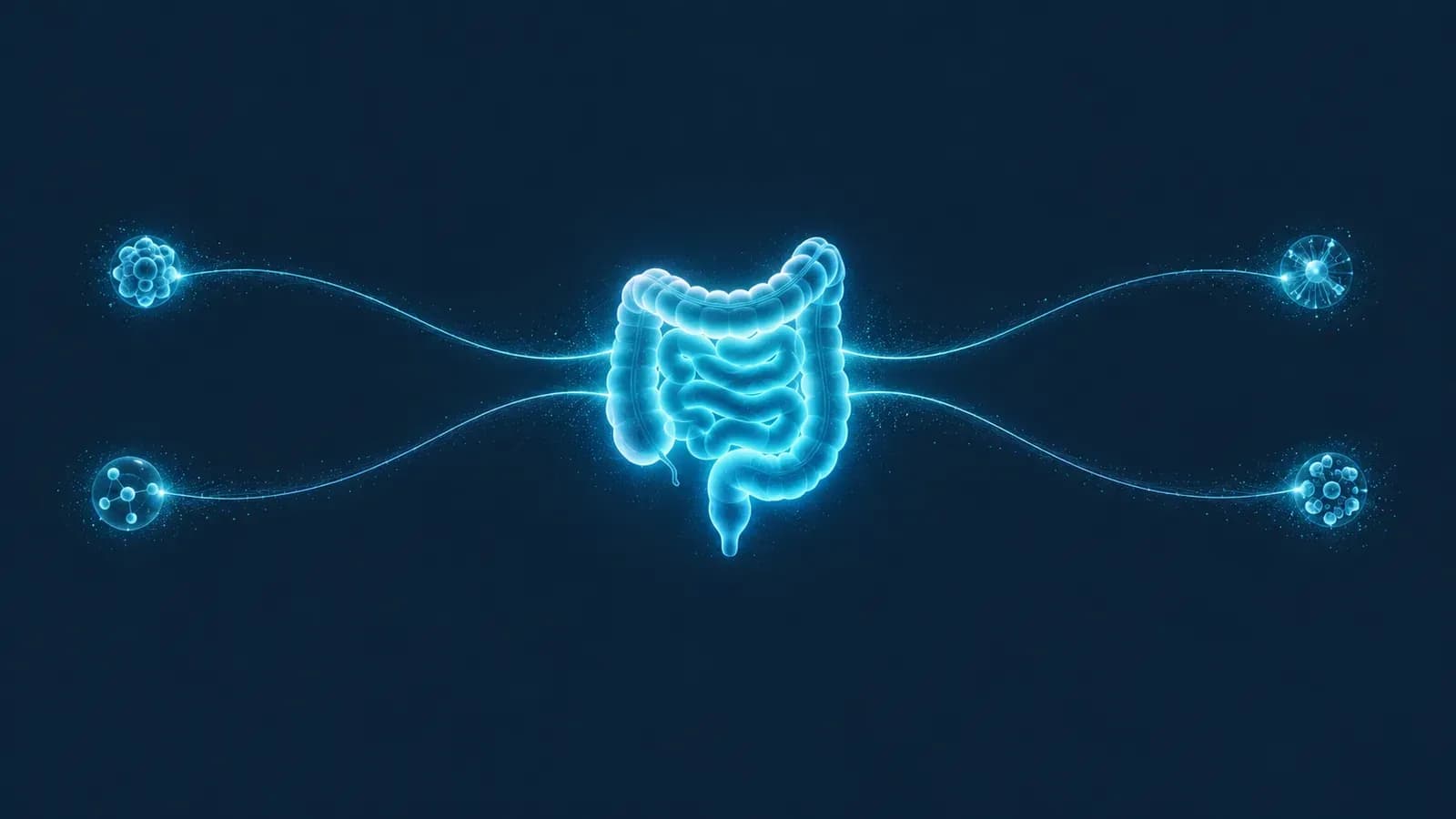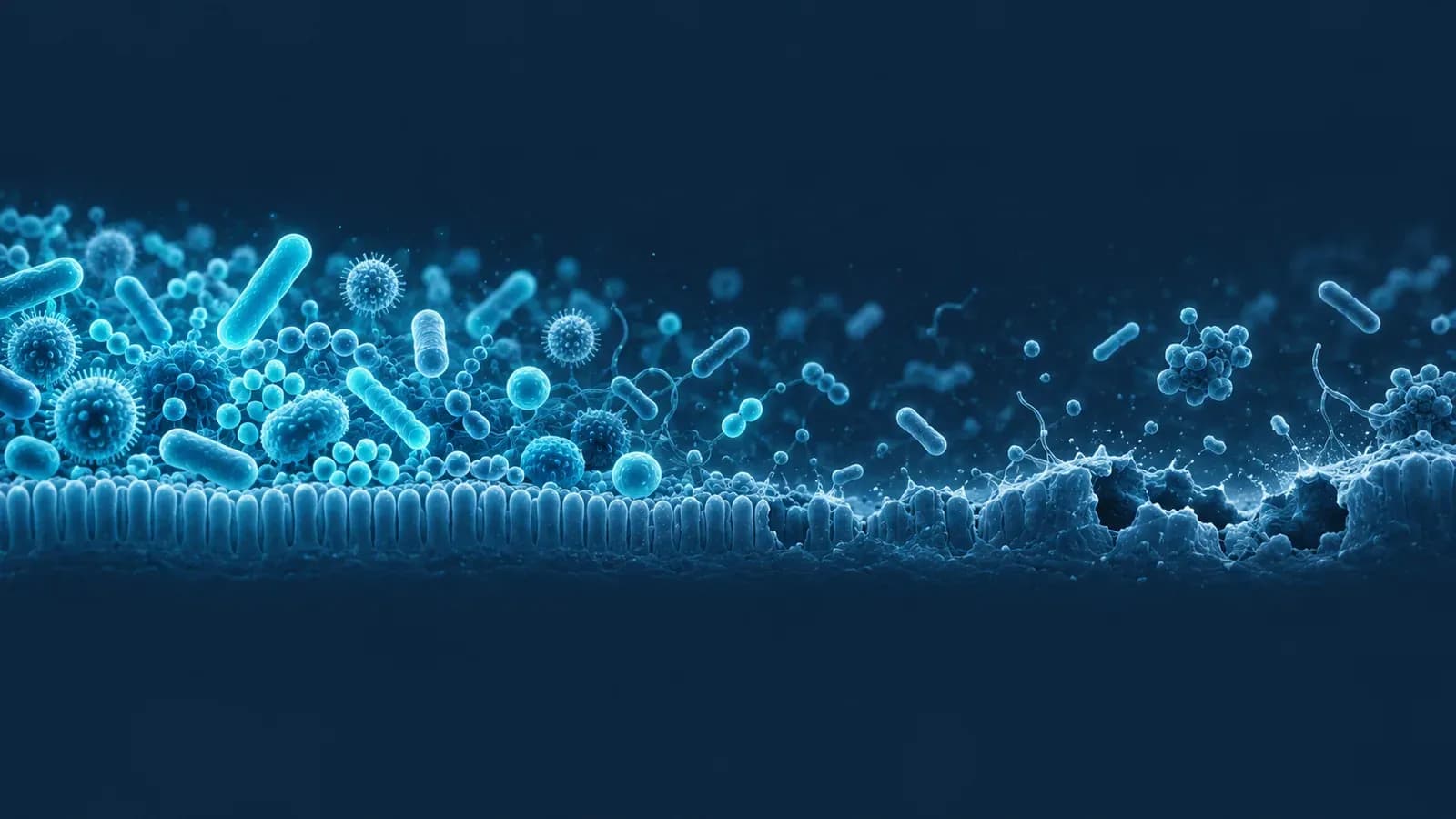
The gut microbiome is one of the most widely researched topics in modern health science. But what exactly is it, and why does it matter?
A Living Community Inside You
Inside your gut, trillions of microorganisms live and work together, including bacteria, fungi, viruses and other microscopic life forms. These organisms are collectively known as the gut microbiome and are not harmful invaders. They are essential residents that your body depends on to function.
What makes the gut microbiome remarkable is how unique it is to each individual. Your microbial profile is shaped by your diet, environment, birth method, lifestyle and genetics. Even identical twins do not have the same gut microbiome composition.
Scientists estimate that the human gut is home to over 1,000 species of bacteria. Together, these microorganisms contain around 150 times more genes than the entire human genome. These numbers suggest that the gut microbiome is far more complex and individual than most people realise.
More Than Just Digestion
Through the gut-brain axis, the gut microbiome communicates with the brain. It plays a role in regulating immune function, nutrient processing, skin health and hormonal balance. A growing body of research links gut microbiome health to a range of conditions including type 2 diabetes, inflammatory bowel disease, depression, eczema and eye health.
The gut microbiome also produces key compounds that the body relies on. Short-chain fatty acids, for example, support gut barrier integrity and reduce inflammation. Neurotransmitter precursors influence mood and cognitive function. Bile acid metabolism affects how the body processes fats and regulates cholesterol.
A balanced microbiome supports the body across these systems. However, when it is disrupted, a state known as dysbiosis, some of these processes may be affected.
What You Eat Shapes Your Microbiome
The foods you eat directly influence which microorganisms thrive in your gut. Different foods feed different microbial communities, producing different compounds such as short-chain fatty acids, neurotransmitter precursors and immune-regulating metabolites.
Dietary fibre and polyphenols found in fruits and vegetables, as well as fermented foods and diverse plant-based ingredients, all support a healthy and diverse microbiome. Conversely, a diet high in processed foods and excess sugar, and lacking in variety, has been associated with reduced microbial diversity.
This is why the same diet or supplement can produce different results in different people. The way the microbiome processes these inputs varies from person to person, and that difference matters.
Microbiome Diversity Is at the Heart of What We Do
Microbiome diversity is at the heart of what we do at Enbiosis. It is the foundation of how we approach formulation.
No two gut microbiomes are the same, and our platform is designed to account for this individuality. Rather than designing around a population average, our Digital Twin and AI-powered platform models the gut microbiome computationally across thousands of diverse profiles. For each health condition, it identifies which biological pathways are disrupted and which compounds the body needs more of. Then it designs a precise, food-grade formulation to address these needs.
The gut microbiome is where human health is increasingly being understood. This is also where Enbiosis starts
References
- De Vos, W. M., Tilg, H., Van Hul, M., & Cani, P. D. (2022). Gut microbiome and health: mechanistic insights. Gut, 71(5), 1020-1032.
- Madhogaria, B., Bhowmik, P., & Kundu, A. (2022). Correlation between human gut microbiome and diseases. Infectious Medicine, 1(3), 180-191.
- Salvadori, M., & Rosso, G. (2024). Update on the gut microbiome in health and diseases. World Journal of Methodology, 14(1), 89196.
- Bradley, E., & Haran, J. (2024). The human gut microbiome and aging. Gut Microbes, 16(1), 2359677.
- Dai, S., et al. (2025). Alleviative effect of probiotics and prebiotics on dry eye in type 2 diabetic mice through the gut-eye axis. The Ocular Surface, 36, 244-260.