

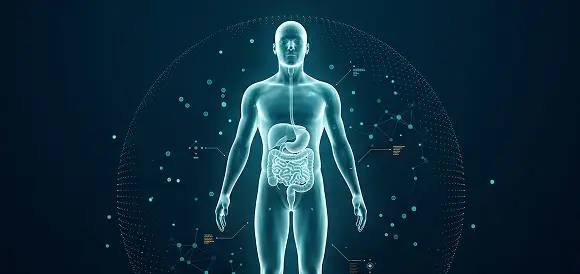
Trillions of microorganisms live in our gut. These bacteria, fungi, viruses and other microbes coexist in an ecosystem that plays a central role in digestion, immune function and overall health. When this ecosystem is balanced, it functions effectively in the background. However, when it is not, the effects can be felt across the entire body.
This imbalance is known as dysbiosis.
What Is Dysbiosis?
Dysbiosis refers to a disruption of the gut microbiome. Rather than being a single, it is a state in which the balance between beneficial and harmful microorganisms shifts in the wrong direction. Beneficial bacteria decline. When beneficial bacteria decrease and harmful or opportunistic species take their place, the intestinal barrier begins to break down. The downstream effects can reach far beyond the digestive system.
Dysbiosis does not always make itself known straight away. In many cases, it progresses silently before noticeable symptoms appear.
What causes gut microbiome imbalance?
Many factors can disrupt the gut microbiome, but diet is one of the most common. A diet low in fibre and high in processed foods and refined sugars deprives beneficial bacteria of the nutrients they need to thrive. Antibiotics are another significant factor. While sometimes necessary, they cannot distinguish between harmful and beneficial bacteria and a single course can alter the balance of the gut microbiome for months.
Chronic stress… The gut and brain are in constant communication, and long-term stress can reduce microbial diversity and weaken the gut barrier. Sleep quality matters too; there is growing evidence of a bidirectional link between disrupted sleep and microbial imbalance. Environmental exposures, including pesticides, pollutants and certain medications, can also contribute over time.
So, how do we recognize dysbiosis?
Because the gut microbiome affects many systems, the symptoms of dysbiosis can vary and be easily overlooked. The most common are bloating, gas, and irregular digestion. However, symptoms are not always related to digestion.
Persistent fatigue, mental fogginess, and difficulty concentrating can also be linked to microbial imbalance. Skin problems such as acne, eczema, and rashes without a clear cause can also be associated with microbial imbalance. Frequent infections or a weakened immune response can also indicate an underlying disruption in the gut. Some people may also develop new food intolerances. However, none of these symptoms are specific to dysbiosis, which is one of the factors that makes diagnosis difficult. Many people live with dysbiosis for years without realizing that their symptoms are related to gut health.
The Importance of Dysbiosis for Our Bodies
Recent research has shown that the gut microbiome is much more than a digestive organ. It communicates with the immune system, brain, skin, and even eyes through systemic pathways. When the microbiome balance is disrupted, these communication channels are affected in many ways. Dysbiosis has been linked to a growing number of health problems, including inflammatory bowel disease, metabolic disorders, and chronic inflammatory conditions affecting the skin and eyes.
Therefore, getting to the root of dysbiosis, rather than managing symptoms one by one, is becoming an increasingly important focus in both research and product development.
What can you do?
The gut microbiome responds to change. Lifestyle factors like diet, sleep, and stress management play a significant role in maintaining a healthy balance of microbes in your gut. However, general advice is often insufficient for those dealing with persistent or complex health conditions. This is where microbiome science offers new possibilities.
At Enbiosis, we get to the root of the problem. Our platform creates a virtual model of the gut microbiome and runs simulations on thousands of real microbiome profiles to identify specific pathways that need to be supported. We then work backward to determine the minimum set of food-grade components needed to restore balance. Dysbiosis is not inevitable. For those looking beyond symptom management, the gut is increasingly proving to be the key to finding the answer.
References
- Bidell, M. R., Hobbs, A. L., & Lodise, T. P. (2022). Gut microbiome health and dysbiosis: A clinical primer. Pharmacotherapy: The Journal of Human Pharmacology and Drug Therapy, 42(11), 849-857.
- Madhogaria, B., Bhowmik, P., & Kundu, A. (2022). Correlation between human gut microbiome and diseases. Infectious Medicine, 1(3), 180-191.
- Borrego-Ruiz, A., & Borrego, J. J. (2024). An updated overview on the relationship between human gut microbiome dysbiosis and psychiatric and psychological disorders. Progress in Neuro-Psychopharmacology and Biological Psychiatry, 128, 110861.
- Saxami, G., et al. (2023). The gut–organ axis within the human body: gut dysbiosis and the role of prebiotics. Life, 13(10), 2023.
- Zhang, Y., et al. (2023). Transmission of Alzheimer’s disease-associated microbiota dysbiosis and its impact on cognitive function. Molecular Psychiatry, 28(10), 4421-4437.
- Cho, N. A., Strayer, K., Dobson, B., & McDonald, B. (2024). Pathogenesis and therapeutic opportunities of gut microbiome dysbiosis in critical illness. Gut Microbes, 16(1), 2351478.